

Plantar fasciitis is one of the most frequent causes of heel and arch discomfort. The plantar fascia is a strong, fibrous band of tissue supporting the arch that connects the heel bone to the base of the toes. When subjected to excessive tension, strain, or repetitive stress, this tissue can become inflamed, irritated, or degenerate over time, making walking, standing, and exercise difficult.
Common contributing factors include:

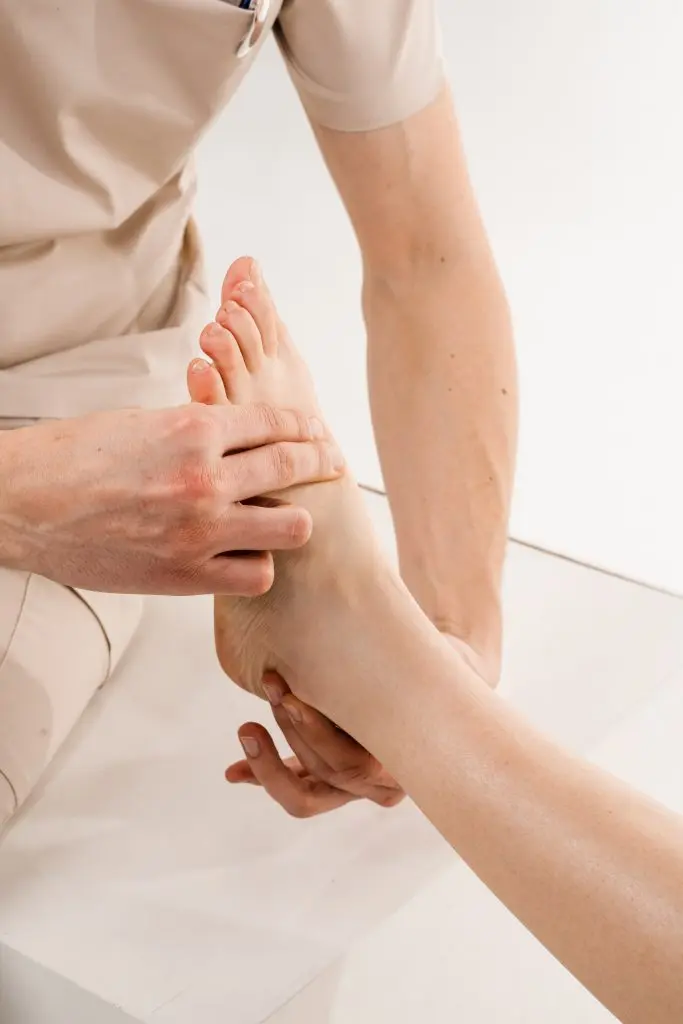
An evaluation with our plantar fasciitis specialists typically includes:
If you’re looking for a plantar fasciitis doctor in Phoenix, same-day appointments are often available for new and existing patients, so you can get the answers you need when you need them.
For chronic or persistent symptoms that do not respond to baseline measures, advanced regenerative options such as PRP (Platelet-Rich Plasma) therapy may be considered to stimulate the body’s natural tissue repair mechanisms. Surgical options are reserved only for rare, recalcitrant cases after exhaustive conservative care.

Conditions like stress fractures, nerve entrapment, and Achilles issues can produce overlapping symptoms. An accurate diagnosis requires a thorough biomechanical evaluation rather than simply addressing the painful spot.
During sleep, the foot rests in a relaxed, downward position, allowing the plantar fascia to shorten and tighten. When taking the first steps out of bed, body weight forces the tissue to stretch abruptly, triggering sharp pain until the band gradually warms up.
Heel spurs are bony calcifications that frequently form on the underside of the heel where the plantar fascia attaches. While often seen on X-rays, the spur itself is rarely the source of pain. The discomfort comes from the inflammation and strain of the soft tissue pulling on the bone, which is why treatment targets the tissue rather than surgically removing the spur.
Yes. Walking barefoot, especially on hard surfaces like tile or hardwood floors, removes all arch support and places maximum tensile stress on the plantar fascia. Wearing supportive shoes or cushioned house slides can help protect the healing tissue.
Healing times vary depending on how long symptoms have been present and how consistently conservative treatments are followed. Recent cases may improve within a few weeks, while chronic conditions can require several months of structured care and mechanical offloading to fully recover.
An evaluation is recommended when heel pain persists for more than a few weeks, interferes with everyday activities, or fails to improve with rest. A sudden onset of severe swelling, bruising, or inability to bear weight warrants immediate medical assessment.

Don’t let foot pain keep you on the sidelines. Whether you are in Phoenix, Scottsdale, Glendale, or Peoria, the experts at Solterra Foot and Ankle are here to help you move comfortably again.