

A fracture refers to any break or crack in a bone. The foot and ankle contain numerous joints working together to support body weight, absorb shock, and allow fluid movement. When a fracture occurs in this complex structure—whether from a sudden twist, a direct blow, or repetitive impact—proper alignment and stabilization are essential for restoring strength and avoiding long-term complications.
Fractures in the lower extremity can range from microscopic hairline cracks to severe, displaced breaks. They generally fall into two primary categories:
Common symptoms include:

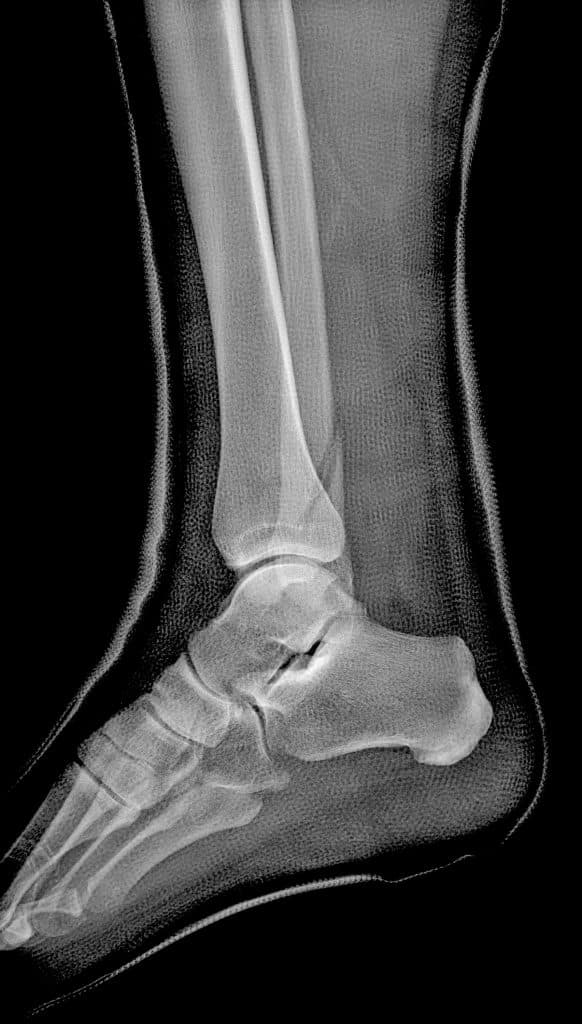
An evaluation typically includes:
For unstable, displaced, or intra-articular fractures where the bone fragments will not heal in proper alignment naturally, surgical repair may be recommended. Utilizing specialized screws, plates, or pins restores precise structural anatomy, protects joint surfaces, and reduces the likelihood of post-traumatic arthritis.

Determining whether an injury is a severe sprain, tendon tear, or bone fracture requires a detailed clinical examination supported by imaging. Treating a fracture as a simple sprain can lead to chronic instability, non-healing bones, or early-onset arthritis.
Both injuries can present with significant swelling, bruising, and pain. While sprains involve stretched or torn ligaments, fractures involve damaged bone. A clinical exam and on-site digital X-rays are the most reliable way to establish a definitive diagnosis.
Being able to walk or bear weight does not rule out a fracture. Many stress fractures, small non-displaced metatarsal fractures, and toe fractures can still tolerate some weight despite the break. Walking on an unstable fracture can cause the bone fragments to shift out of alignment.
Yes. While a common misconception suggests nothing can be done for a broken toe, unaddressed toe fractures can heal out of alignment, resulting in permanent deformities, chronic pain, shoe-fitting issues, or joint arthritis. Proper assessment and stabilization help prevent long-term complications.
Most bone fractures require roughly six to eight weeks to achieve primary structural union. Healing duration depends on the specific bone, blood supply to the area, fracture complexity, overall bone health, and compliance with immobilization.
Prompt medical attention is necessary if there is an inability to bear weight, visible bone deformity, severe or rapidly worsening swelling, numbness, or an open wound near the injured bone.

Whether dealing with a sudden acute injury or a lingering stress fracture, timely and specialized care is vital to protect future mobility.