
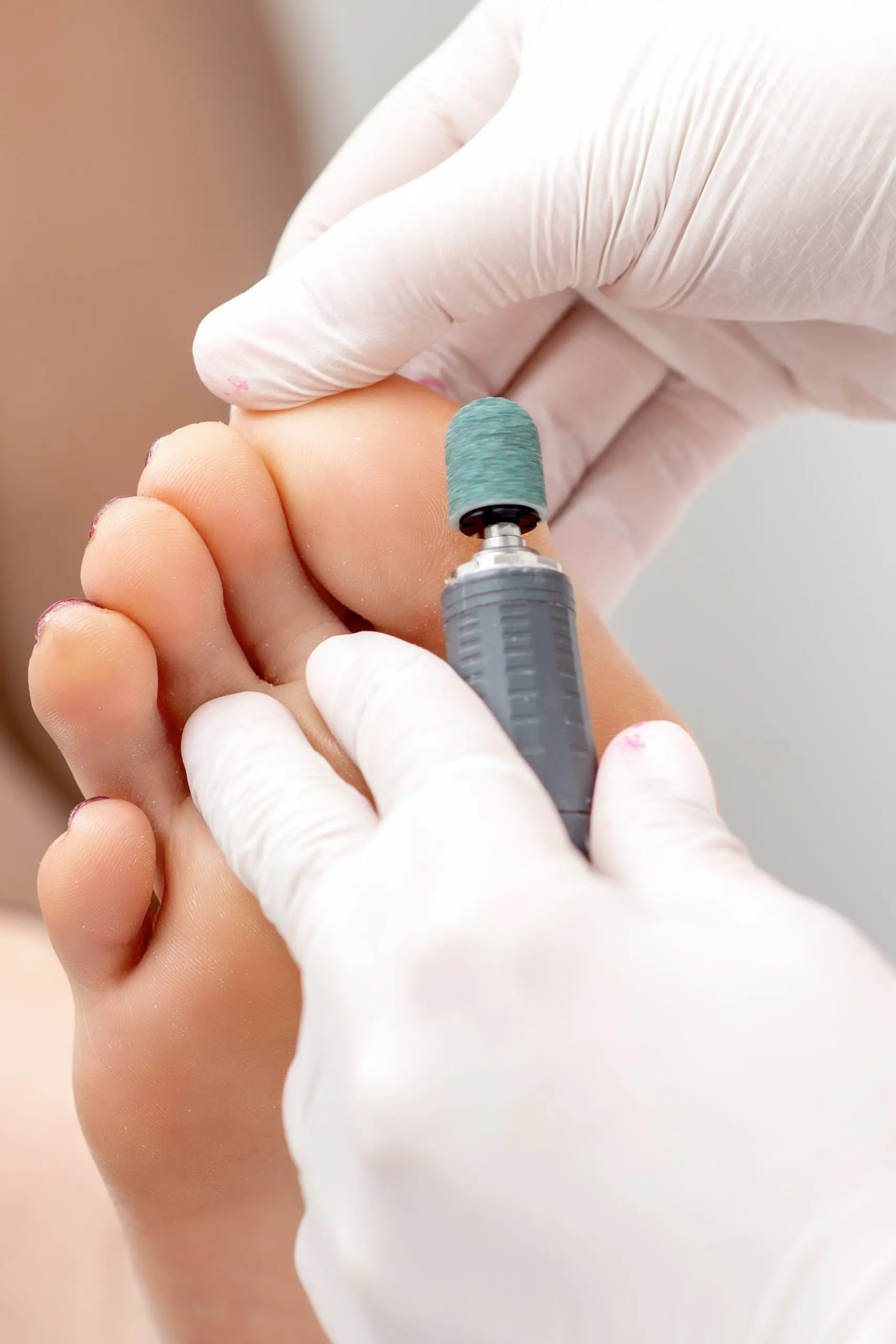
Corns and calluses are areas of thickened skin that form when an area of the foot experiences repeated friction, pressure, or irritation. While this thickening is a natural protective response, it can become uncomfortable, alter normal walking patterns, or make wearing shoes difficult.
Solterra Foot and Ankle provides evaluation and care for corns and calluses throughout the Phoenix metro area. Identifying the underlying source of friction is the primary step in finding long-term comfort and keeping the skin healthy.
Corns and calluses develop as a response to continuous rubbing or excessive pressure on the skin. Although often mentioned together, they have distinct differences in location and appearance:
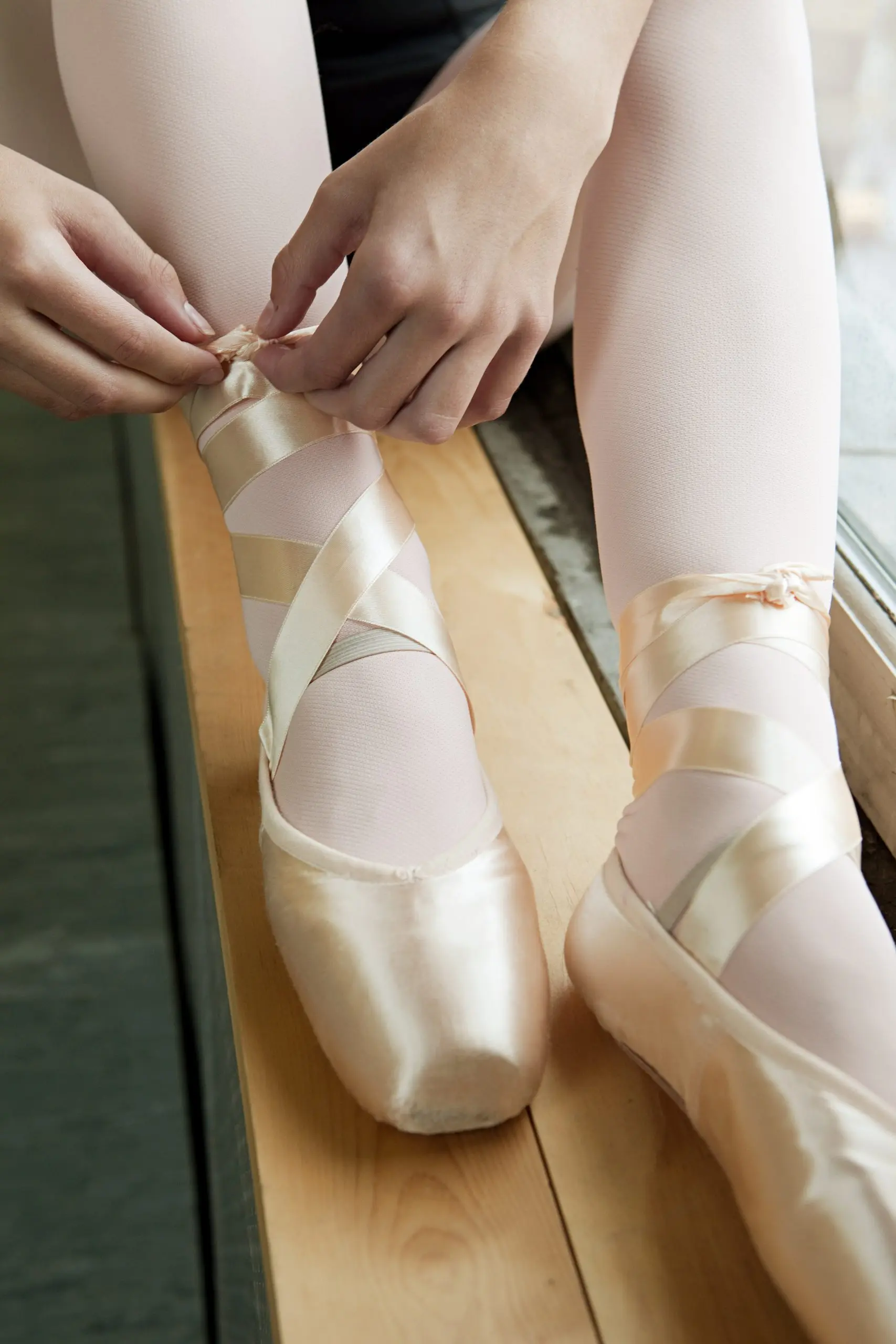
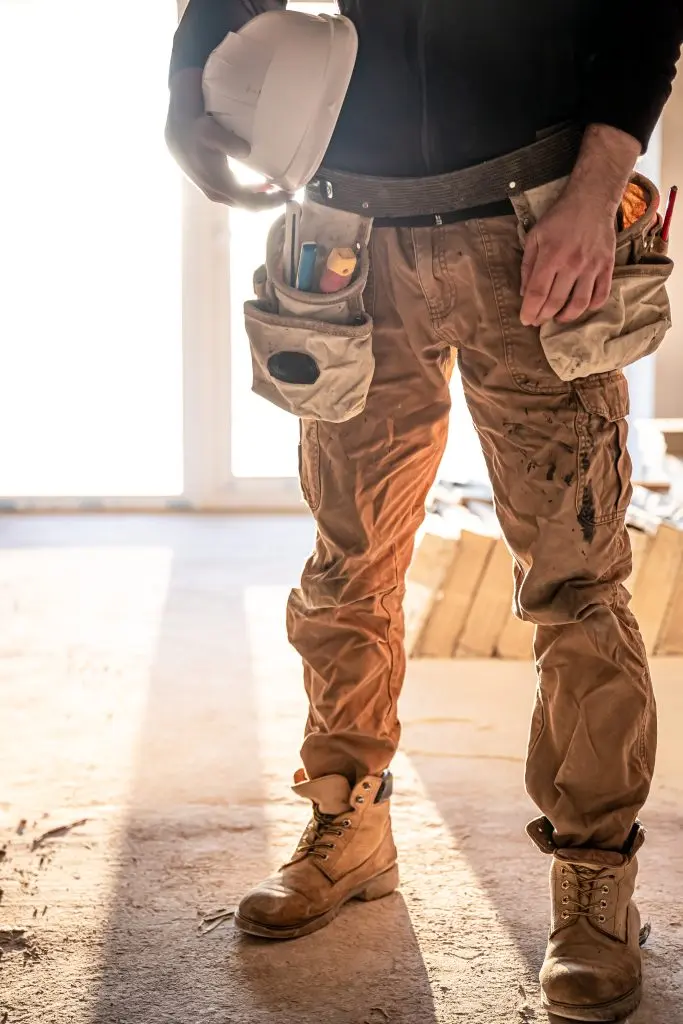
Common contributing factors include:
An evaluation may include:
To ensure you get the answers you need when you need them, same-day appointments are often available for new and existing patients.
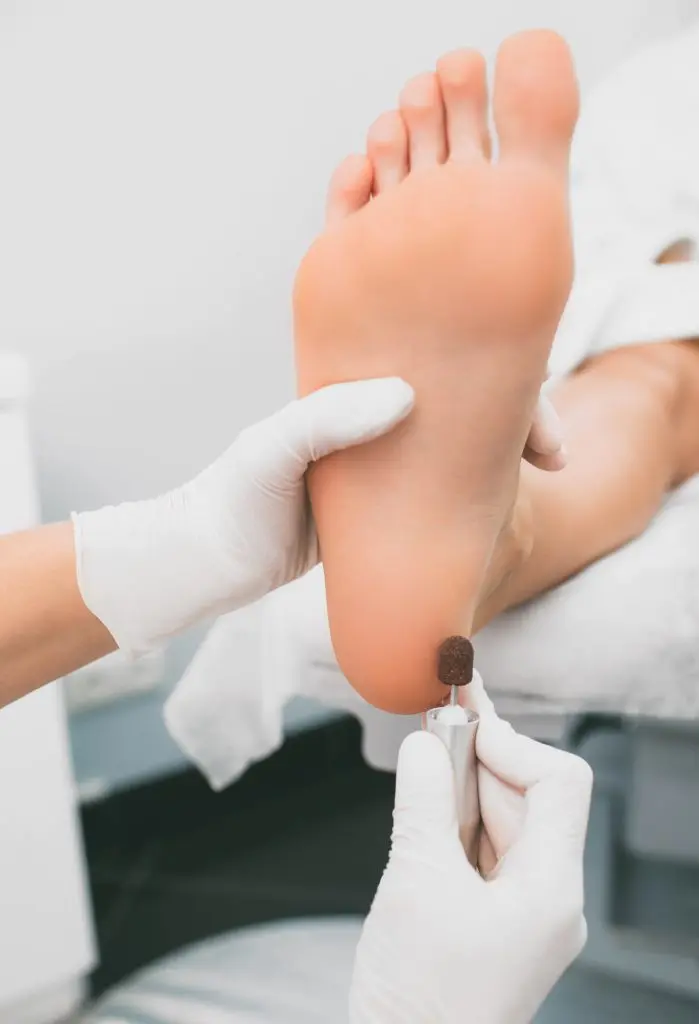
Care focuses on relieving immediate discomfort and reducing the mechanical friction that caused the skin to thicken.
Solterra Foot and Ankle provides evaluation and care for corns and calluses throughout the Phoenix metro area. Identifying the underlying source of friction is the primary step in finding long-term comfort and keeping the skin healthy.
If the source of friction or pressure is eliminated—such as switching out of an ill-fitting shoe—the thickened skin may gradually soften over time. However, if underlying bone structure or walking mechanics continue to create pressure, professional care is often required to address the root cause.
A corn forms in response to friction and features a hard central core that tends to be tender under direct downward pressure. Plantar warts are caused by a viral infection (HPV), often show tiny dark dots, interrupt the natural skin lines, and typically hurt more when squeezed side-to-side. A clinical exam can confirm the diagnosis.
Medicated corn pads often contain concentrated salicylic acid, which destroys healthy skin along with thickened skin. This can lead to chemical burns, open sores, or serious infections, and should be avoided, particularly by anyone with diabetes or circulation issues.
Calluses recur because the mechanical pressure, friction, or bone prominence that triggered the skin to thicken is still present. Long-term management often requires custom orthotics, footwear adjustments, or treating the underlying structural issue.
An evaluation is recommended if a corn or callus becomes painful, inflamed, warm to the touch, changes color, or begins draining. People with diabetes, neuropathy, or vascular conditions should have any thickened skin professionally checked to prevent skin breakdown.

Persistent corns and calluses are a sign of excess pressure that can make every step uncomfortable. Solterra Foot and Ankle provides thorough evaluations to relieve discomfort and correct the factors causing the irritation.