
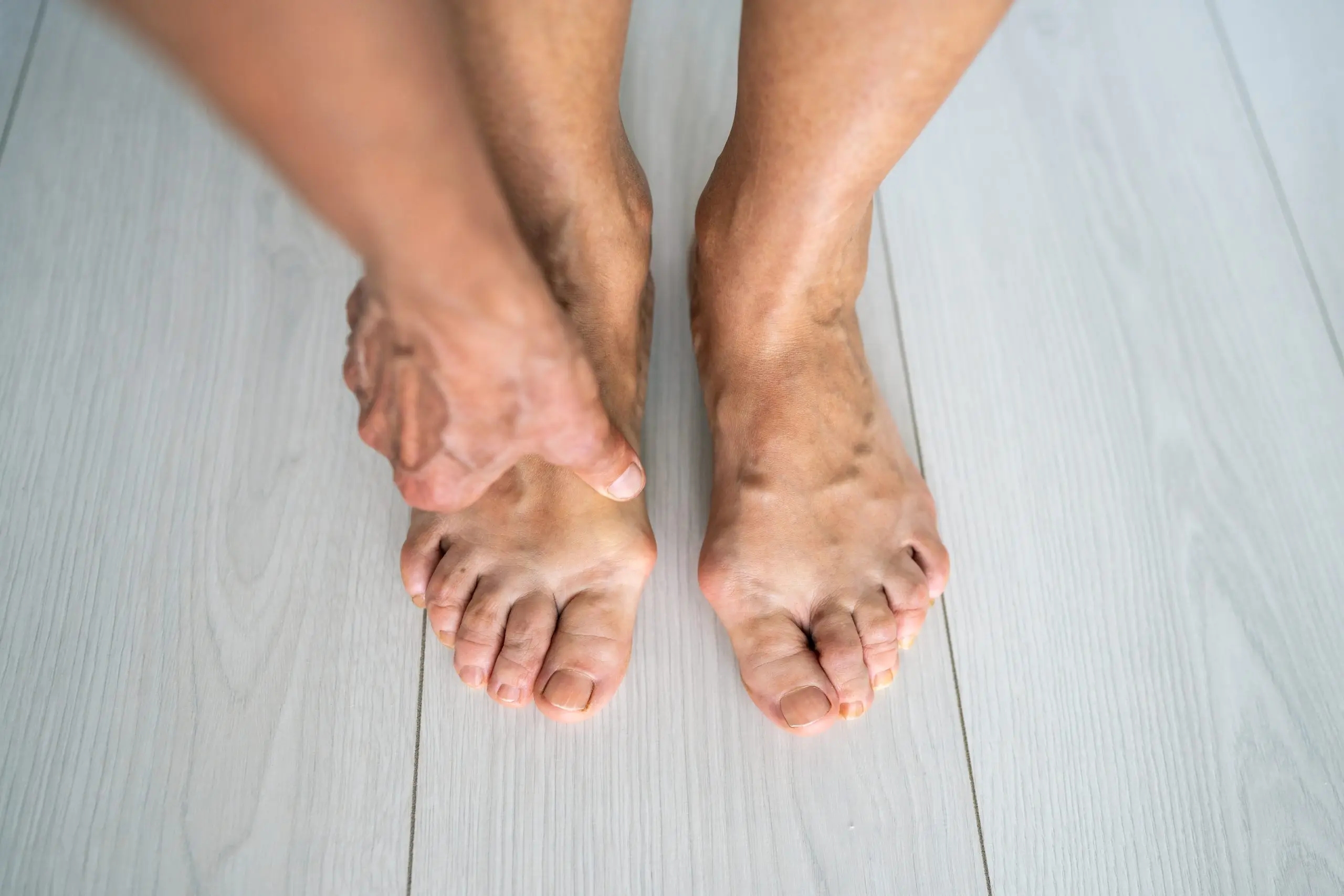
A bunion is a bump that forms at the base of the big toe. It happens when the big toe slowly shifts toward the smaller toes, causing the joint to stick out on the inside of the foot.
Some bunions do not cause problems. Others can make shoes uncomfortable, cause pain while walking, or lead to crowding of the smaller toes. At Solterra Foot and Ankle, we help patients throughout the Phoenix metro area—including Anthem, Glendale, Peoria, Phoenix, and Scottsdale—find relief and choose the right treatment for their feet.
A bunion can become painful when the joint rubs against shoes or when the toe shifts enough to place extra pressure on the ball of the foot and nearby toes.
Common symptoms include:
Bunions are often related to inherited foot structure. You may have a foot type that makes the big-toe joint more likely to shift over time.
Other factors that can make bunions more noticeable or painful include:
Shoes usually do not cause bunions by themselves, but tight shoes can make an existing bunion much more painful.

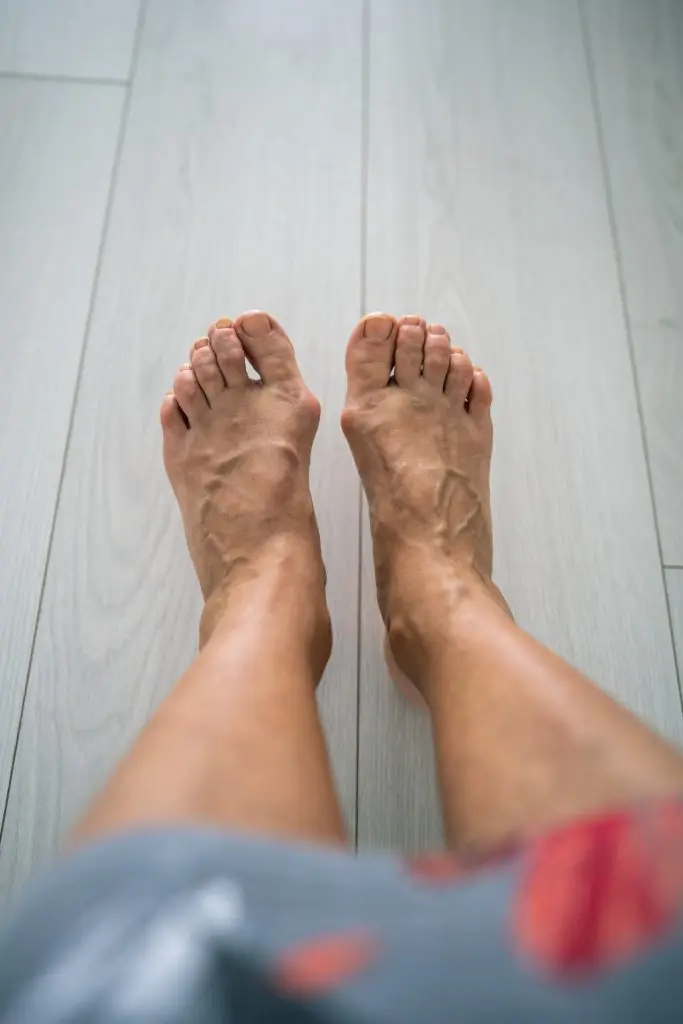
Not every bunion needs surgery. During your visit, we look at your foot structure, big-toe motion, activity level, shoes, and symptoms to determine what is actually causing your pain.
Your exam may include:
To ensure you get the answers you need when you need them, same-day appointments are often available for new and existing patients.
Our first goal is to reduce pain and help you stay active in comfortable shoes. While nonsurgical treatment cannot fully straighten an established bunion, it can often relieve symptoms and reduce pressure on the joint.

Surgery may be considered when bunion pain continues to affect walking, work, exercise, or comfortable shoe wear despite conservative treatment. Bunion surgery is designed to correct the alignment of the toe and relieve pain. The exact procedure depends on your foot structure, X-rays, joint health, and activity goals.
No. Once the bones have shifted, the bunion does not disappear on its own. However, many people can manage symptoms without surgery.
Orthotics do not reverse the bump, but they can slow the progression, improve foot mechanics and reduce stress on the big-toe joint.
Often, yes. You may inherit a foot shape or structure that makes bunions more likely to develop.
Schedule an evaluation if your bunion is painful, getting larger, making shoes uncomfortable, affecting your activity, or causing toe crowding.
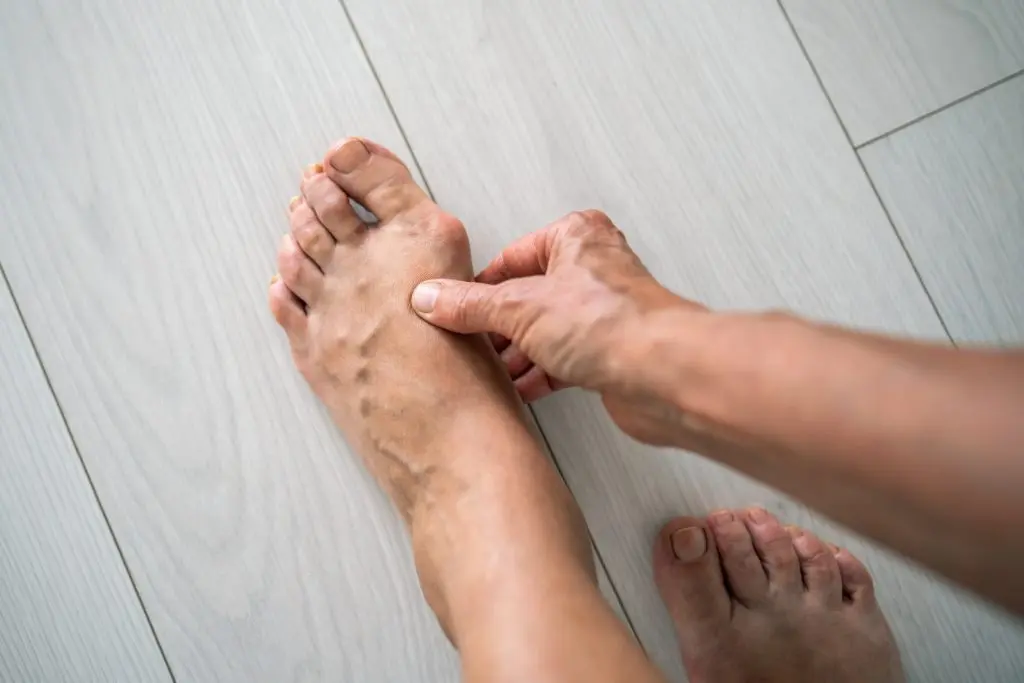
You do not have to live with painful shoes or limit the activities you enjoy. Whether you are in Scottsdale, Peoria, Anthem, Glendale or elsewhere in the Phoenix metro area, Solterra Foot and Ankle is here to help.