

Diabetes can affect the nerves and blood circulation in the lower extremities. Over time, this may reduce sensation, making cuts, blisters, or areas of excessive pressure difficult to notice while also slowing the healing process.
Without early attention, minor foot concerns can develop into more serious complications. At Solterra Foot and Ankle, preventive foot exams, routine diabetic foot care, wound evaluations, and structured support are available to help patients throughout the Phoenix metro area—including Anthem, Glendale, Peoria, Phoenix, and Scottsdale—maintain healthy feet.
Diabetes may cause nerve damage, called neuropathy, which can reduce feeling in your feet. You may not notice a cut, blister, or object in your shoe until it becomes painful or infected.
Diabetes can also affect circulation, making wounds slower to heal. Regular foot care and early treatment can help prevent ulcers, infections, and more serious complications.
Signs You Should Not Ignore:

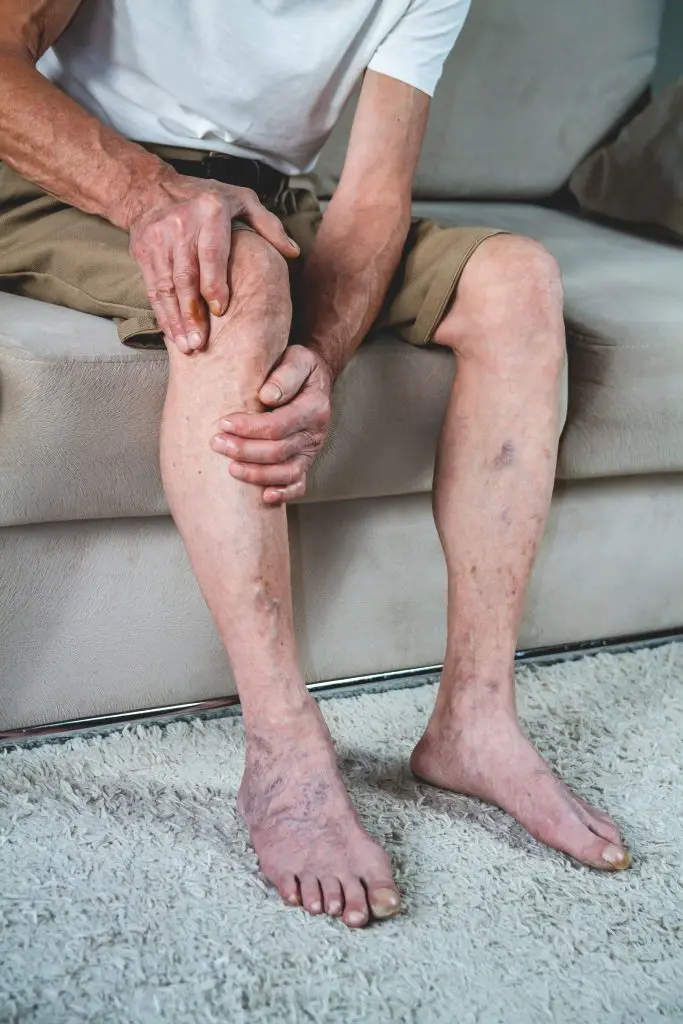
Regular foot exams help identify problems before they become serious. During your visit, we may check:
We can also recommend custom orthotics, braces, or diabetic footwear when additional protection and pressure relief are needed.
Treatment depends on your specific needs and may include:
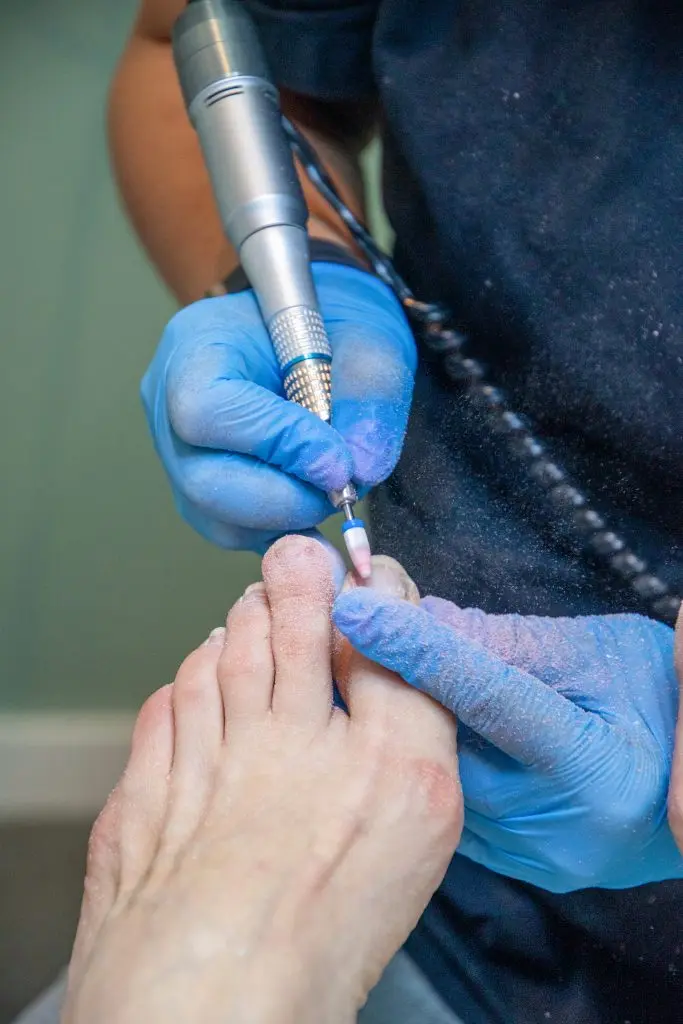
Check the tops, bottoms, and between the toes every day. Moisturize dry skin, but do not apply between the toes. Never walk barefoot, including inside the house. Check the inside of shoes before putting them on.
A few minutes each day can make a meaningful difference.
At minimum, you should have regular foot exams as part of your diabetes care. Patients with numbness, poor circulation, prior ulcers, calluses, or foot deformities may need more frequent visits.
Some people can safely trim their nails straight across. However, if you have numbness, poor circulation, thick nails, vision problems, or difficulty reaching your feet, professional nail care is safer and recommended.
Do not ignore it or try to treat it yourself with harsh products. Keep it clean, avoid pressure on the area, and contact a podiatrist promptly for guidance.
Not everyone does. However, diabetic shoes or custom inserts may be helpful if you have neuropathy, poor circulation, foot deformity, calluses, prior ulcers, or pressure areas that place you at higher risk.

Daily foot checks and routine podiatric care can help prevent serious problems before they begin. Whether you are in Scottsdale, Peoria, Tempe, or elsewhere in the Phoenix metro area, Solterra Foot and Ankle is here to help you protect your mobility and stay active.